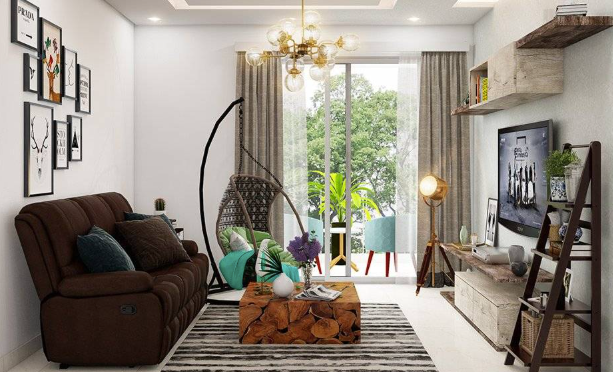
Small homes benefit from bright, cohesive palettes and thoughtful layout. Pale, cool-toned hues expand perceived space and reflect daylight, while sheer window treatments keep rooms airy. Multifunctional furniture with hidden storage offers clarity without clutter. Upcycled decor preserves personality, and strategic lighting adds warmth. Clear sightlines and restrained contrast maintain openness without sacrificing comfort. The balance of practical wellness with deliberate design choices invites a closer look at how small spaces can perform—and why the approach matters.
How to Make Small Rooms Feel Bigger on a Budget
Natural light and strategic color are essential tools for expanding perceived space; by maximizing daylight and choosing pale, cool-toned hues, a room will feel more open without sacrificing warmth. The approach favors restrained, purposeful choices that amplify openness.
Budget stress relief emerges through thoughtful layout and upcycling decor, transforming limited surfaces into airy statements while preserving individuality and freedom in design.
Smart Storage Hacks That Free Up Space Fast
Smart storage solutions can dramatically free up space without sacrificing style. A detached overview emphasizes purposeful design choices: hidden storage integrates seamlessly into furniture, modular shelving adapts to evolving needs, and space saving appliances reduce countertop clutter. Compact organizing systems maximize every square inch, encouraging freedom in layout. The result is clean lines, calm rooms, and liberated living through intelligent storage decisions.
Budget-Friendly Furniture and Layout Tricks for Function
Informed by clever storage principles, the design focuses on affordable pieces that maximize usability without visual clutter. A compact, modular approach yields flexible rooms, where budget friendly selections double as storage, seating, and workspace. Furniture layout emphasizes flow over rigidity, prioritizing clear sightlines and multi-function surfaces. Clean lines, neutral tones, and purposeful spacing promote freedom while preserving refined, design-led simplicity.
Illuminating Small Spaces: Lighting and Color Play
Illuminating small spaces hinges on deliberate light and color choices that expand perception without clutter. Thoughtful lighting psychology guides placement, brightness, and warmth to enhance room scale. Subtle color coordination ties zones together, reflecting natural light and creating cohesion. Contrast is restrained to avoid heaviness, while reflective surfaces amplify glow. Aesthetic clarity emerges when function meets calm, free-form expression within compact dimensions.
Frequently Asked Questions
How Can I Protect My Budget From Impulse Purchases?
Impulse budgeting mitigates risk by imposing limits before shopping, while observing disciplined shopping rituals that honor aesthetics. The approach preserves freedom, enabling deliberate choices and intentional investments, rather than spontaneous purchases that undermine small-space design and long-term satisfaction.
What Are Cost-Effective Flooring Options for Tiny Homes?
Laminate flooring and vinyl plank flooring offer affordable beauty, while concrete options and cork flooring provide texture with minimal cost. The choice supports a liberated aesthetic, enabling graceful, intentional spaces for tiny homes.
Can DIY Renovations Save More Than Hiring Pros?
DIY savings can vary; pros vs DIY depends on skill, scope, and risk. In some cases, DIY yields greater value through customization and time flexibility, while pros ensure consistency and safety, potentially reducing costly mistakes.
See also: Crypto Ecosystem and Market Innovation
How Do I Choose Durable, Affordable Window Treatments?
Durable fabrics guide selection toward high-tibered performance and longevity, while affordable motors ensure quiet, reliable operation. The approach balances aesthetics with cost, emphasizing freedom in design, ease of care, and consistent functionality for enduring window treatments.
What Small-Space Decor Mistakes Should I Avoid on a Budget?
A cabinetmaker in a quiet village mirrors allegory: misjudged scale becomes missed opportunities, and bold color psychology fades into clutter. The design avoids crowded surfaces, maintaining spacious intention; restraint, texture, and rhythm guide a free, affordable decor path.
Conclusion
A quiet truth emerges: space feels larger when light, line, and restraint work together. The theory that less is more holds here, not as austerity but as intention—every item earns its place, every surface breathes. By selecting cool, pale tones, modular pieces, and smart storage, the room expands with daylight and reflection. The result is a cohesive mood rather than decoration, where affordable choices compound into a purposeful, aesthetically calm home that functions as its own best illusion of spaciousness.