When upgrading your car’s lighting, choosing the right LED bulb isn’t just about brightness—it’s about color temperature, visibility, and real-world driving comfort. Among the most popular options, 9005 4500K headlight bulbs, 4500K, and 6500K LED bulbs often spark debate. So which one actually performs better at night?
In this guide, we’ll break down the differences, real driving performance, and where each shines—while also highlighting why products from SEALIGHT are increasingly popular among drivers looking for reliable LED upgrades.
Understanding Color Temperature (Kelvin)
Color temperature is measured in Kelvin (K) and determines the color of the light emitted:
4500K → Warm white (slightly yellowish)
6500K → Cool white (bluish-white, daylight-like)
While both are significantly brighter than halogen bulbs, the quality of light differs—and that directly affects night driving performance.
4500K LED Bulbs: Balanced Visibility
Key Characteristics
- Natural white with a hint of warmth
- Less glare in adverse weather
- Better contrast on dark roads
Why 4500K Works Well at Night
4500K bulbs closely resemble natural daylight during early morning or late afternoon, making them easier on the eyes over long drives. This color temperature improves depth perception and contrast, especially on poorly lit roads.
In fog, rain, or dusty conditions, 4500K light penetrates better than cooler tones. That’s because it produces less scatter, helping you maintain clearer forward visibility.
Many drivers browsing options like LED bulbs for cars prefer 4500K for its real-world practicality, not just brightness on paper.
6500K LED Bulbs: Maximum Brightness & Modern Look
Key Characteristics
- Crisp, cool white with a blue tint
- High perceived brightness
- Sleek, modern aesthetic
Where 6500K Excels
6500K bulbs mimic midday sunlight, making them appear brighter and sharper. This is why they’re popular among drivers who want:
- A premium, high-tech look
- Maximum illumination on highways
- Enhanced visibility of road signs and lane markings
However, in poor weather conditions, the bluish tone can create more glare and reflection, reducing clarity compared to warmer tones.
See also: Satellite Technology and Global Communication
Real Driving Comparison: 4500K vs 6500K
| Feature | 4500K | 6500K |
| Color Tone | Warm white | Cool white (bluish) |
| Eye Comfort | High | Moderate |
| Fog/Rain Performance | Better | Weaker |
| Road Contrast | Excellent | Good |
| Brightness Perception | Natural | Very bright |
| Aesthetic Appeal | Subtle OEM-like | Modern, premium look |
Why SEALIGHT Bulbs Stand Out
When choosing LED bulbs, performance isn’t just about Kelvin—it’s also about beam pattern, heat dissipation, and longevity.
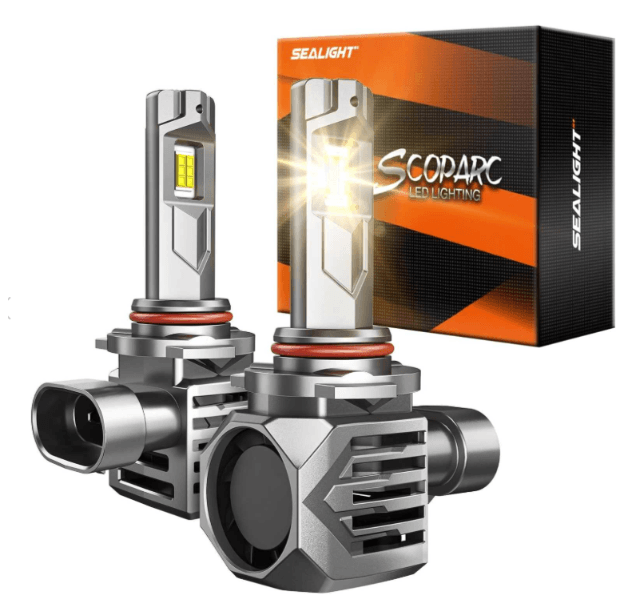
Products from SEALIGHT are engineered with:
- Precise beam alignment to mimic halogen filament position
- Efficient cooling systems for a longer lifespan
- High-lumen output without excessive glare
- Plug-and-play installation for most vehicles
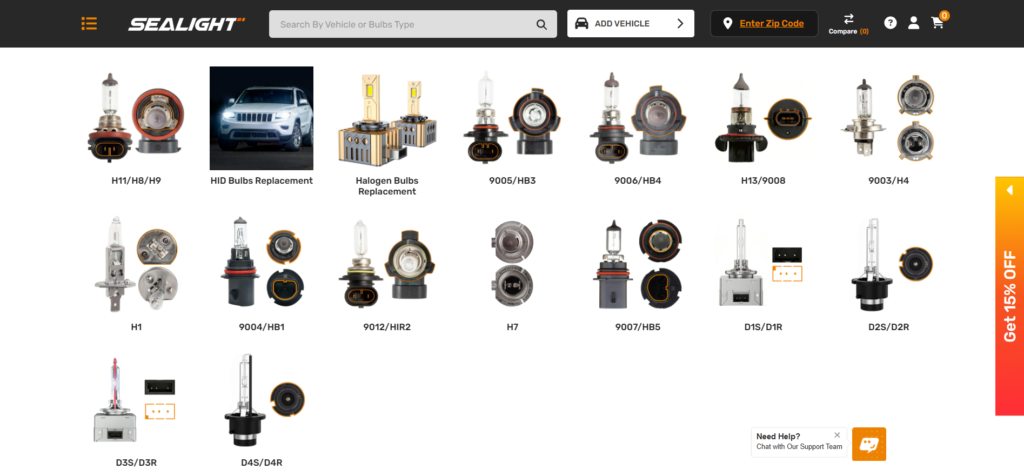
For example, their 9005 4500K headlight bulbs offer a balanced combination of clarity and comfort, making them ideal for drivers who prioritize consistent night visibility over flashy brightness.
When Should You Choose 4500K?
Go with 4500K if you:
- Frequently drive in rain, fog, or snow
- Prefer less eye strain during long night trips
- Want OEM-like lighting with better performance
- Value road contrast over pure brightness
- When Should You Choose 6500K?
6500K is better if you:
- Drive mostly in clear weather conditions
- Want a modern, high-end appearance
- Prefer maximum brightness for highways
- Like the crisp, white-blue lighting style
The Verdict: Which Is Better?
There’s no universal “winner”—but for practical night driving, especially in mixed or challenging conditions, 4500K often comes out ahead.
It delivers:
- Better visibility in bad weather
- Reduced glare
- More comfortable long-distance driving
Meanwhile, 6500K remains a strong choice for style and brightness in ideal conditions.
Final Thoughts
Choosing between 4500K and 6500K LED bulbs ultimately depends on your driving habits. If you want a balanced, safer, and more comfortable night driving experience, 4500K is hard to beat. If your priority is maximum brightness and aesthetics, 6500K delivers.
Whichever you choose, investing in a high-quality brand like SEALIGHT ensures you’re getting reliable performance, proper beam patterns, and long-term durability—key factors that matter far more than just color temperature.